An Oasis the Size of a City
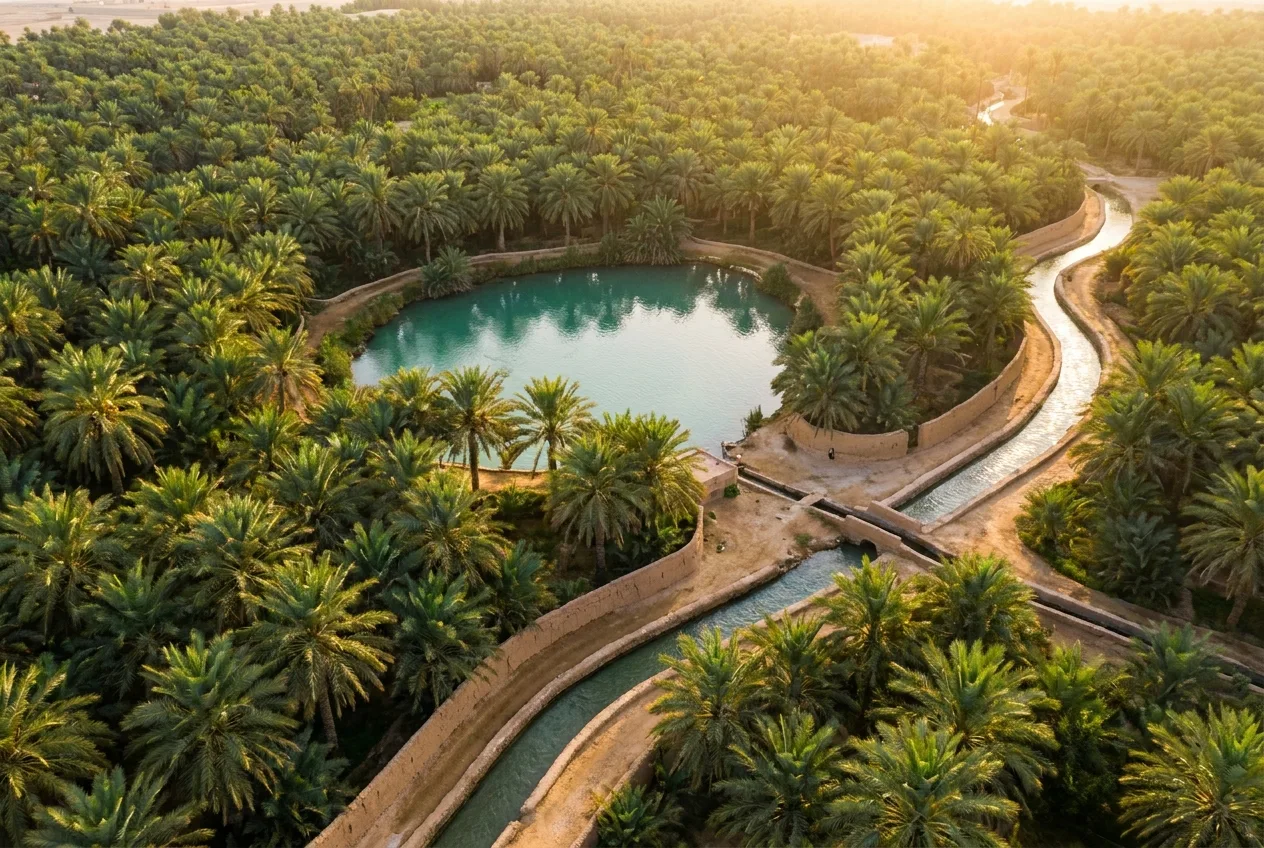
On the edge of the Empty Quarter, where nothing should grow, Al-Ahsa spreads a green sea of more than 2.5 million palms. It is not merely orchards but a complete way of life that formed around water in the Neolithic and has never been interrupted.
What UNESCO Saw
In June 2018 UNESCO inscribed Al-Ahsa as an 'evolving cultural landscape' uniting gardens, canals, wells, lakes, historic buildings and archaeological sites. The criterion was simple and profound: this place testifies to human interaction with a harsh environment across millennia.
Aflaj: The Engineering of Fairness
Natural springs fed an aflaj network that divided water among gardens in precise time-shares measured by shadow and stars. The system was not only engineering but a social contract that kept peace among farmers for centuries.
Khalas: Fruit of the Place
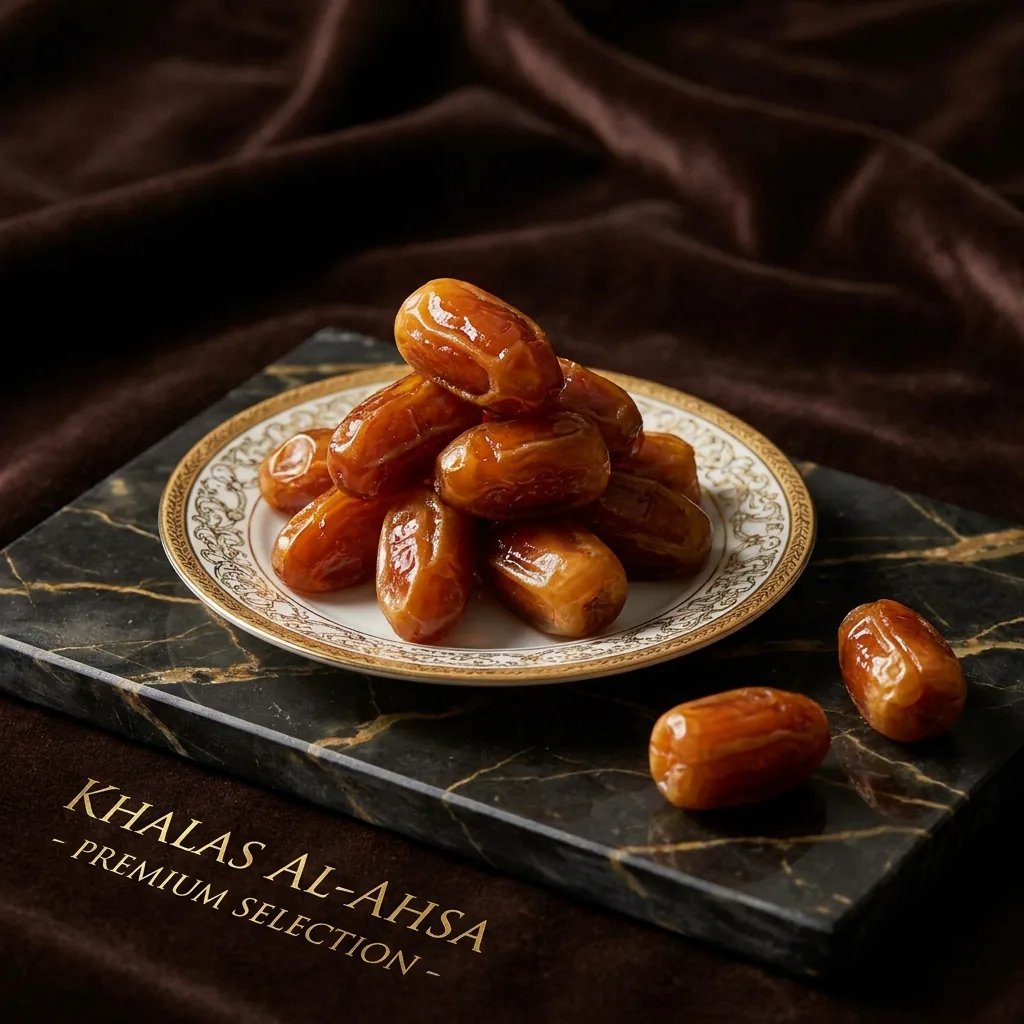
One cannot speak of Al-Ahsa without Khalas, the amber date shaped by spring water and eastern heat. From Souq Al-Qaisariya in Hofuf it traveled to tables across the Gulf, becoming a synonym for Ahsai hospitality.